
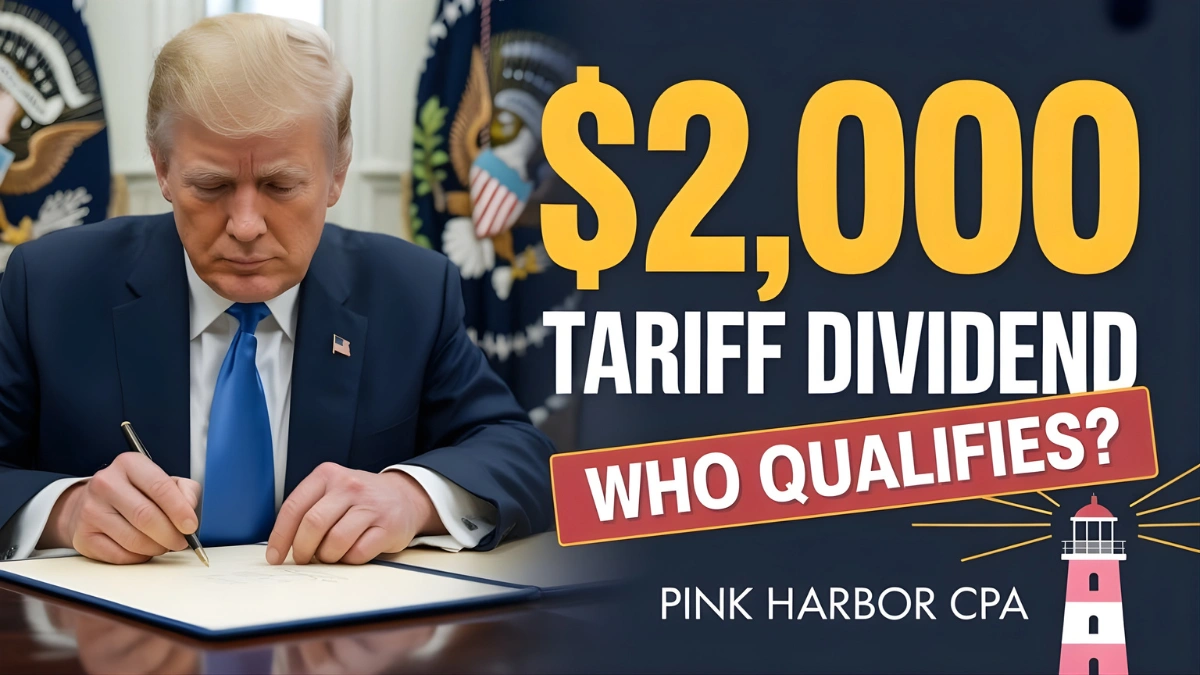
Tariff Dividend Explained: A major financial update is gaining national attention as discussions around a two thousand dollar tariff dividend connected to former President Donald Trump intensify. Many Americans are trying to understand whether this payment is real, who might qualify, and how it would work. With inflation pressuring household budgets and political debates heating up, certified public accountants are now weighing in to clarify what this tariff based benefit could mean for millions.
What the $2,000 Tariff Dividend Actually Is
The so called tariff dividend is a proposed financial benefit linked to revenue generated from trade tariffs. Instead of being used exclusively for government programs, some policymakers are suggesting that a portion of these funds could be redistributed directly to American households in the form of a two thousand dollar payment. While the idea has sparked excitement, experts say the details matter more than the headline.
Why Tariff Revenue Is Being Considered for Payments
Tariffs generate billions of dollars in federal revenue, especially from imported goods. Supporters of the proposal argue that since consumers indirectly pay higher prices due to tariffs, they should receive a share of the revenue as relief. Economists, however, caution that tariff income can fluctuate based on global trade conditions, making long term payments difficult to guarantee.

How the Tariff Dividend Might Work
If approved, the two thousand dollar payment could be distributed through federal systems similar to previous stimulus checks. Direct deposits, mailed checks, or debit cards could be used depending on available taxpayer information.
Here is a simplified breakdown of how it could be structured:
| Payment Type | Possible Method |
|---|---|
| Direct Deposit | Sent to bank details on file |
| Paper Check | Mailed to eligible households |
| Debit Card | Used when no banking info is available |
Who a CPA Says Could Qualify
According to financial professionals, eligibility could depend on income level, tax filing status, and whether the household paid higher prices on tariff impacted goods. CPAs expect qualification standards to resemble prior relief programs, with emphasis on supporting low and middle income families.

Households who may qualify include individuals who fall within income limits, families with dependents, seniors on fixed incomes, and workers facing inflation driven financial hardship.
Why This Proposal Is Getting So Much Attention
The concept of returning tariff revenues directly to the people has energized discussions across political and economic circles. Supporters argue it could ease financial strain and offset inflation. Critics warn it may not be sustainable because tariff revenue varies from year to year.
One Warning From Financial Experts
CPAs stress that tariff dividends are not yet approved and Americans should avoid assuming guaranteed payments until official policies are released.

- Households should not make financial decisions based on unconfirmed tariff dividend rumors
Potential Impact on Household Budgets
If passed, a two thousand dollar payment could offer immediate support for expenses like groceries, utilities, rent, medicine, and transportation. Many families say such a dividend would help them recover from months of rising costs.
What Americans Should Do While Waiting
Individuals should stay informed, update their tax and banking information, and follow official announcements. Past relief programs were processed faster for those with accurate records on file.
Conclusion: The proposed two thousand dollar tariff dividend linked to Trump has captured national interest, but key details remain under review. While CPAs suggest that low and middle income Americans may qualify if the plan is approved, the program is not yet final. Staying alert to verified updates is the best way to understand how this potential new relief could unfold.

Disclaimer: This article is for informational purposes only.
