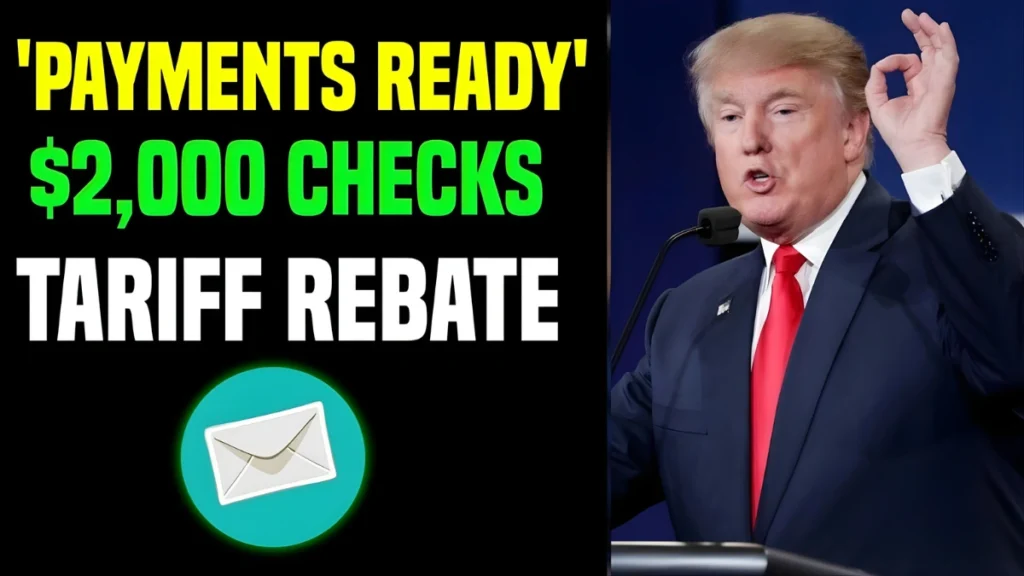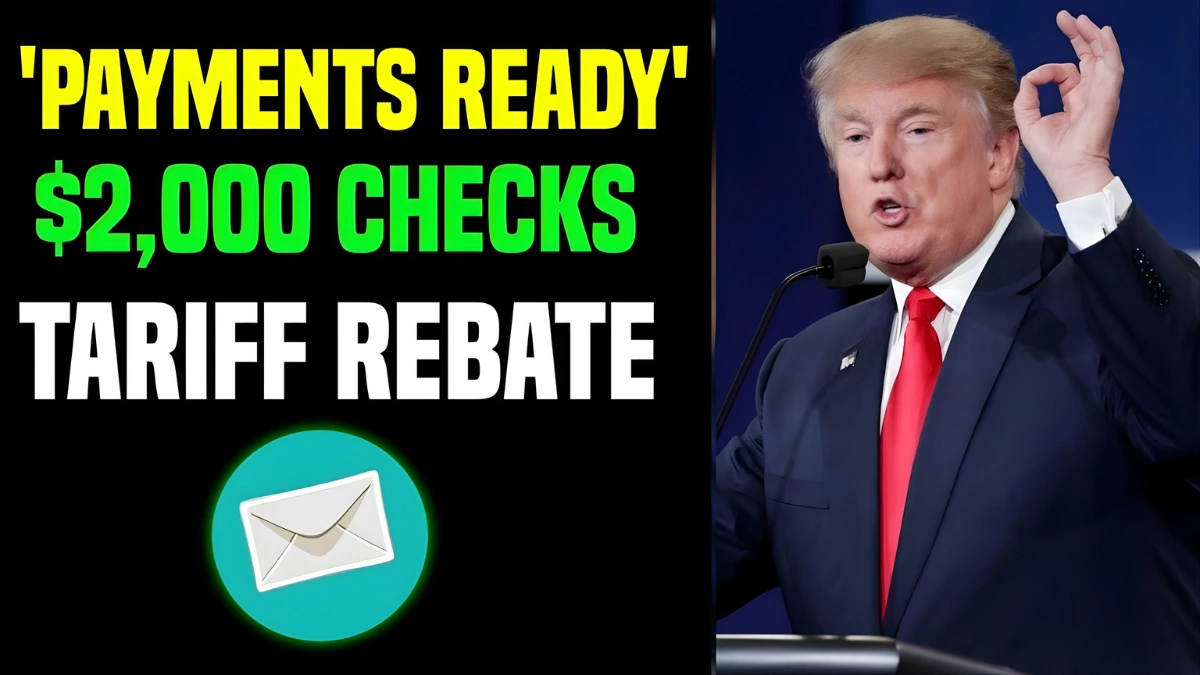
Former President Donald Trump has officially confirmed a renewed push for the $2,000 Tariff Rebate Checks, and this time the update brings an important expansion. Low income seniors have now been added to the new eligibility list, creating a wave of excitement among Social Security recipients and fixed income households. With living costs rising across the country, the announcement is being viewed as a significant boost for Americans needing immediate financial relief.
What The Confirmed Tariff Rebate Checks Mean
The $2,000 Tariff Rebate idea is built around distributing a share of the tariff revenue collected from foreign imports directly to American households. Trump explained that instead of letting tariff funds remain unused or allocated elsewhere, the money should return to the families who face higher costs due to global trade shifts. The rebate checks are designed to offer yearly support, much like a dividend, to help offset inflation and essential expenses.
Low Income Seniors Now Added To Priority List
One of the biggest changes in Trump’s latest confirmation is the inclusion of low income seniors. These are Americans living on limited Social Security benefits, SSI, SSDI, or small pensions who struggle to manage rising rent, utilities, groceries, and medical bills. Trump emphasized that seniors are among the most impacted by inflation and deserve direct financial support before any other group. This addition is being applauded across senior advocacy communities.
Who Else May Qualify For The Rebate
While seniors have now been given priority status, the broader eligibility list is expected to include low and middle income families, working professionals, independent workers, and possibly retirees with modest income. Trump hinted that the process would be simple, avoiding complicated verification steps. The rebates would likely target citizens most affected by high prices and tariff driven market changes.

How The Payments Could Be Distributed
The plan outlines a direct deposit system similar to previous relief programs to make sure recipients receive their money quickly. Once tariff revenues are finalized, payments could be released in cycles through the Treasury system. If the approval process moves swiftly, the first round could align with seasonal periods when households need extra financial support.
Public Response To Trump’s Senior Inclusion
The expansion of eligibility to low income seniors has triggered widespread discussion online. Many beneficiaries say the relief could help cover medications, groceries, and essential bills. Economists note that seniors have faced the hardest financial hit in recent years due to rising medical costs and limited income growth. The new addition is being viewed as a meaningful step toward targeted economic support.

What Happens Next
The proposal still requires formal policy steps before becoming active. Lawmakers and financial planners will need to review budget impact, revenue estimates, and program structure. While nothing has been finalized, Trump’s confirmation has given millions of Americans renewed hope that the rebate checks may soon become a reality.
Conclusion: The confirmation of the $2,000 Tariff Rebate Checks with newly added eligibility for low income seniors marks a major development in the national economic conversation. As households wait for official government updates, the proposal continues to gain momentum across the country.
Disclaimer: This article is based on ongoing discussions and public statements. Final payment dates, eligibility rules, and full program details may change once official announcements are released.