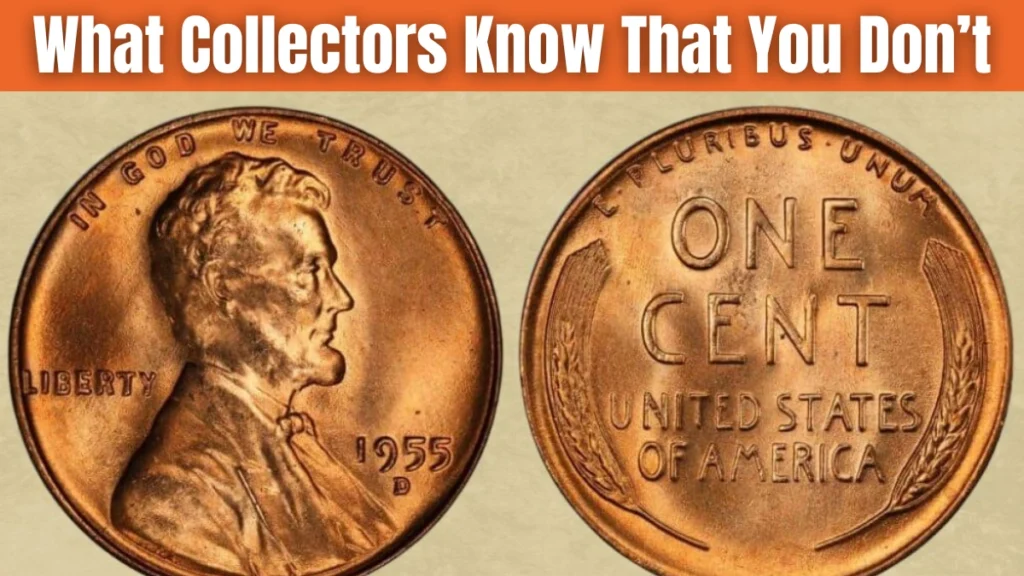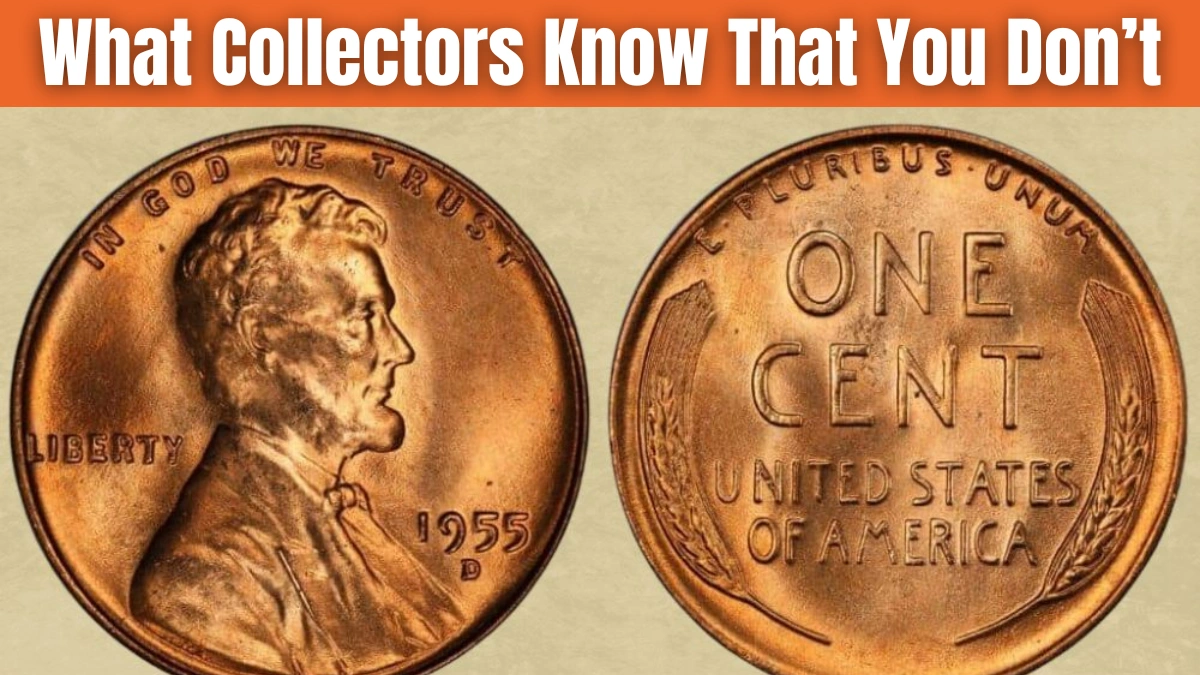
From Copper to Cash- The humble Lincoln Wheat Penny is one of the most iconic American coins ever minted — and today, some of these tiny copper coins are bringing huge surprises for collectors. Minted from 1909 to 1958, Wheat Pennies may look ordinary, but certain dates, mint marks, and rare errors are now worth hundreds, thousands, and even over $100,000 in exceptional cases.
This means a coin sitting in your drawer, coin jar, or inherited collection could be far more valuable than anyone ever imagined.
Why Wheat Pennies Are So Popular
From Copper to Cash: Lincoln Wheat Pennies combine history, nostalgia, and rarity in one simple design. Their classic wheat-ear reverse and early 20th-century origin make them beloved by collectors of all ages. Because they circulated for decades, many were lost, damaged, or worn. Surviving high-grade coins — especially early dates — are now scarce, making them extremely valuable.

The Hidden Value in Everyday Change
Although Wheat Pennies disappeared from circulation decades ago, they still appear in pocket change, bank rolls, old savings jars, and estate boxes. Many people unknowingly spend or give away valuable coins because they look like any other brown penny. What makes certain Wheat Pennies worth big money is a combination of rarity, condition, and unusual minting mistakes.
Key Dates That Made Headlines
Collectors especially hunt for early mintages like the 1909-S VDB, 1914-D, and 1922 No-D, which are among the most valuable in the Wheat Penny series. Dramatic doubling errors, repunched mint marks, and die cracks can also turn common coins into major collector finds. High-grade examples from the 1930s, 40s, and 50s have risen sharply in price as interest in U.S. coin collecting grows.

Why Condition Matters So Much
A Wheat Penny in pristine “Mint State” condition can be worth 20, 50, or even 100 times more than the same coin in worn condition. Sharp details in Lincoln’s beard, fully visible lettering, and bright original luster can boost a coin’s value dramatically. That’s why even common-year pennies from the 1940s or 1950s can bring surprising prices when perfectly preserved.
The Role of Rare Mint Errors
Wheat Pennies with mint errors — including double dies, off-center strikes, missing letters, and unusual planchet mistakes — attract strong collector interest. Some error pennies have sold for thousands simply because of a rare mis strike. These unexpected mistakes are why experts always advise checking old coins carefully before giving them away.

Why Prices Are Climbing Today
Online auctions, grading services, and revived hobby interest have all pushed Wheat Penny values upward. Younger collectors are discovering coin collecting again, and experienced collectors are competing for top-grade rarities. As supply tightens and demand grows, even modest Wheat Pennies continue to climb in price.
Conclusion: Lincoln Wheat Pennies may be small, but the surprises they hide are anything but. Whether it’s a century-old rarity, a dramatic mint error, or a perfectly preserved piece from a common year, these copper coins continue to shock collectors with their rising value. Checking your old jars, boxes, or inherited collections could reveal a penny worth far more than you ever expected.

Disclaimer: This article is for informational and news-reporting purposes only. It is not appraisal or financial advice. Actual coin value depends on grading, authenticity, rarity, and market demand.