
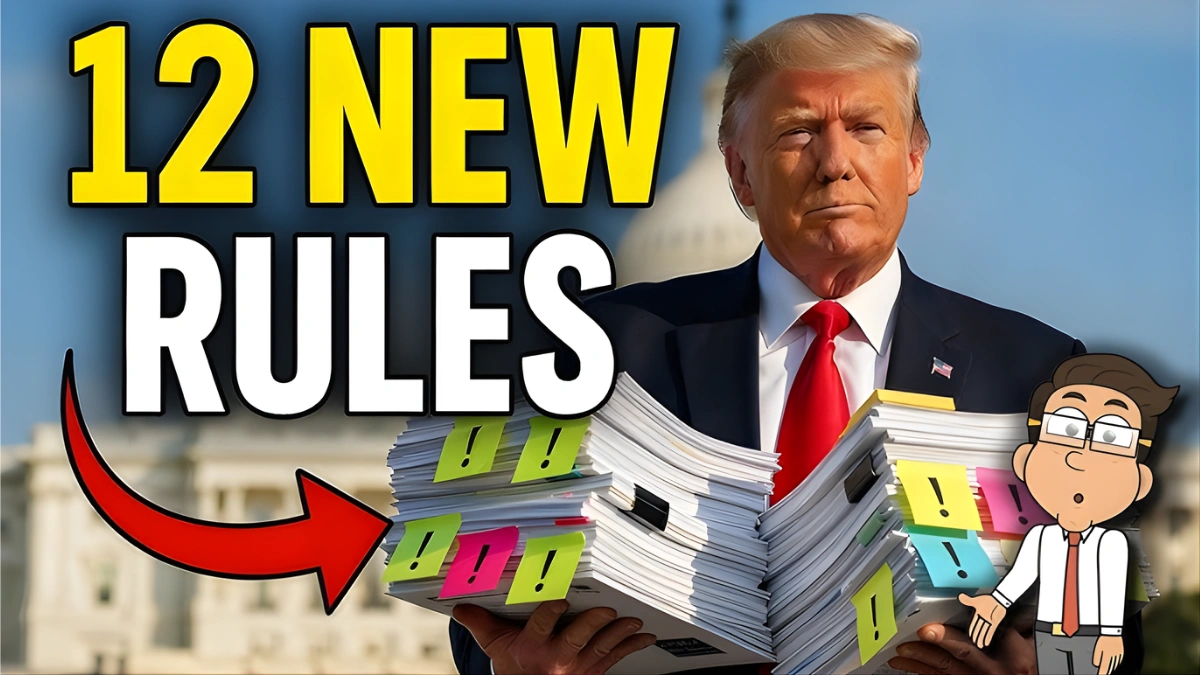
As Congress rushed to avert a government shutdown, lawmakers quietly passed a massive funding bill that also included 12 new rules now officially signed into law. Many of these provisions were tucked deep inside the legislation, receiving limited public attention despite their potential national impact. The newly enacted rules cover areas such as federal spending, agency operations, tax enforcement, benefits oversight, and emergency preparedness.
With the government narrowly avoiding closure, these hidden additions have become one of the most widely discussed topics in Washington. Here’s a clear breakdown of what the new rules mean for federal agencies, taxpayers, and everyday Americans.
Why These Rules Were Included in the Shutdown Bill
Shutdown bills often become vehicles for last-minute policy decisions. Lawmakers insert provisions that might not pass on their own, especially during urgent negotiations. This year’s bill is no exception. The 12 new rules aim to reduce federal waste, strengthen oversight, streamline agency operations, and accelerate certain government programs.
Some rules took immediate effect, while others will roll out gradually throughout 2025 and 2026.

Overview of the 12 New Rules Hidden Inside the Shutdown Bill
While full details vary across agencies, the core changes include stronger audit requirements, new spending restrictions, updated enforcement rules, changes to benefit verification, and enhanced emergency response procedures.
Summary Table of the 12 New Federal Rules
| Rule Category | Key Change Introduced |
|---|---|
| Federal Spending Audits | Stricter year-end reporting requirements |
| IRS Enforcement | New automated verification for refunds and credits |
| Social Security & SSI Checks | Enhanced identity matching before payments |
| Veterans Affairs Programs | Faster claim review deadlines |
| SNAP & Food Assistance | Updated eligibility verification systems |
| Emergency Response Funding | Expanded disaster funds for FEMA |
| Federal Contractor Oversight | New compliance certification rules |
| Border & Port Security | Technology upgrades for inspection stations |
| Healthcare Subsidy Reviews | Annual income cross-checks added |
| Postal Service Reforms | Mail delivery optimization pilot programs |
| Education Grants | Revised reporting rules for grant recipients |
| Transportation Infrastructure | Priority funding for critical projects |
These changes are expected to shape federal services and benefit administration over the next several years.
What These Rule Changes Mean for Americans
The new rules affect millions of people across several federal programs.
For taxpayers:
The IRS is receiving expanded authority for automated cross-checks, meaning faster verification but stricter scrutiny for refunds, credits, and identity concerns.

For Social Security, SSI, and VA beneficiaries:
New identity-matching rules could reduce fraud but may delay payments for individuals with incomplete records.
For families relying on food assistance or healthcare subsidies:
Eligibility systems will now use real-time databases, which could streamline approvals but may trigger additional reviews for inconsistent applications.
For federal contractors and agencies:
Oversight and reporting requirements will increase, affecting compliance paperwork and audit timelines.
Why These Rules Were Not Publicized Earlier
Shutdown bills move quickly, and lawmakers often focus public messaging on keeping the government open. Lesser-known provisions receive little media focus until analysts review the full text of the legislation. Many of the new rules were part of bipartisan agreements negotiated behind the scenes.

What to Expect Over the Next Year
Most agencies will begin implementing these new rules throughout 2025, with some changes becoming visible sooner than others. Taxpayers may notice updated IRS verification tools in early 2025. Social Security and VA claimants will see new verification processes. Federal contractors could encounter revised compliance forms within months.
The Administration has stated that the aim is to modernize government operations without reducing access to essential services.
Frequently Asked Questions
Q1: Were these rules voted on separately?
No. They were included in the broader shutdown bill, not as standalone legislation.
Q2: Will any of the rules reduce federal benefits?
No direct reductions were included, but stricter verification could slow processing for some recipients.

Q3: Will taxpayers notice changes immediately?
Yes. IRS automation and identity checks may affect early 2025 refund processing.
Disclaimer: This article is based on publicly available summaries, legislative breakdowns, and known provisions included in the federal shutdown bill. Actual implementation timelines and interpretations may vary by agency. Readers should consult official government notices for final program updates.

