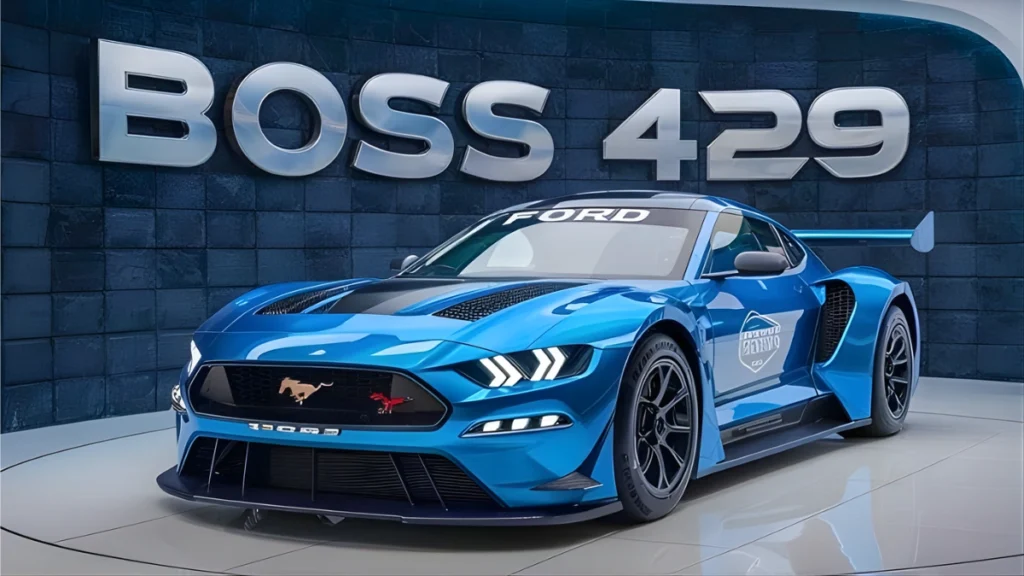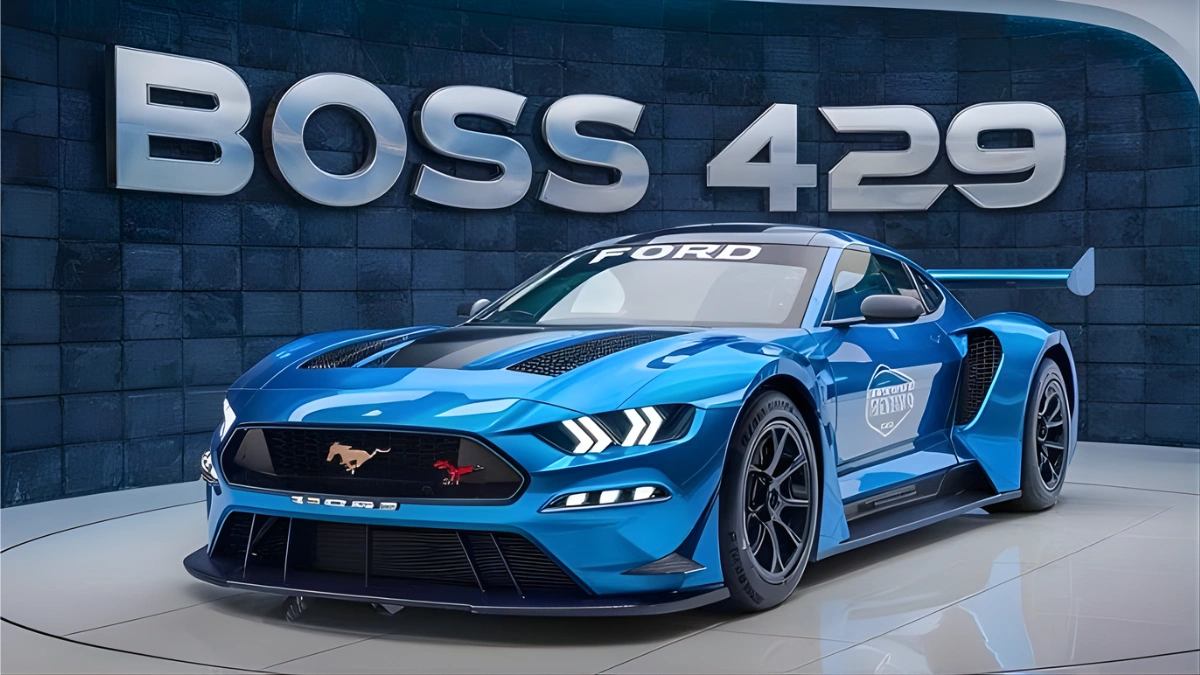
The Mustang Boss 429 is one of the most iconic and rarest muscle cars ever built. Created for NASCAR homologation in 1969 and 1970, the Boss 429 became a legend for its massive big-block V8, aggressive stance and limited-production exclusivity. Even decades later, the Boss 429 remains a dream machine for collectors and enthusiasts who value raw American performance and heritage engineering. Here’s a complete, Google Discover-friendly guide to the car that changed Mustang history.
Born for NASCAR Dominance
Ford built the Boss 429 with one purpose: to get its powerful 429-cubic-inch semi-hemi V8 approved for NASCAR racing. To meet the homologation rule, Ford needed to produce a street car using the same engine. This led to the creation of the Boss 429 Mustang—hand-assembled, heavily modified and engineered to fit one of Ford’s largest and most potent engines of the era. Only around 1,300 units were ever produced, making it one of the rarest Mustangs in existence.
A Massive V8 Engine That Defined an Era
Under the hood sits the legendary 429ci (7.0-litre) Ford semi-hemi big-block. While officially rated at around 375 hp, experts agree the real output was significantly higher. The engine was built for racing, featuring huge ports, forged internals and advanced flow characteristics. Paired with a 4-speed manual transmission, the Boss 429 delivered explosive straight-line performance and a thunderous exhaust note that defined American muscle culture.

Aggressive Styling With Purpose
The Boss 429 stands out visually with its unique hood scoop, wider front track and subtle “Boss 429” fender badges. The body was modified by Kar Kraft to make room for the massive engine, resulting in a lower ride height and stronger front-end structure. The 1969 model came with a body-colored scoop, while the 1970 version featured a bold matte-black scoop—both adding to the car’s distinctive, intimidating look.
Hand-Built Enhancements and Racing Engineering
Unlike standard Mustangs of the era, the Boss 429 received extensive performance upgrades including:
- Modified engine bay and reinforced chassis
- Custom suspension tuning
- Heavy-duty cooling system
- Balanced and blueprinted engines
- Special front track adjustments for stability
These racing-derived upgrades gave the Boss 429 superb road grip and made it one of the most advanced muscle cars of its time.
Interior Built for Performance
The interior of the Boss 429 was simple and purposeful. Features included high-back bucket seats, a 4-speed shifter and driver-focused gauges. Most models skipped luxury features like air-conditioning—Ford prioritized performance, weight savings and track capability over comfort. The result was a cockpit built for serious driving.
Collector’s Dream With Rising Value
Because of its low production numbers, racing connection and unmatched engine, the Mustang Boss 429 has become a prized collectible. Well-preserved or fully restored examples regularly sell for premium prices at top auctions. Enthusiasts value the Boss 429 for its originality, power and historical importance—making it one of the most desirable classic Mustangs ever produced.
Performance Legacy That Still Inspires
The Boss 429 is more than just a muscle car—it represents a bold era when manufacturers built street-legal machines simply to qualify engines for racing. Its legacy continues to influence modern Mustangs and special-edition models that draw inspiration from the original big-block legend.

Conclusion: The Mustang Boss 429 stands as a symbol of raw American power, rare craftsmanship and pure racing purpose. With its huge V8 engine, hand-built modifications and unforgettable styling, it remains one of the most admired and collectible Mustangs in automotive history. For enthusiasts who appreciate heritage, aggression and exclusivity, the Boss 429 is a timeless masterpiece.
Disclaimer: This article is based on historical information and widely documented specifications. Actual values and features may vary depending on model year and condition.