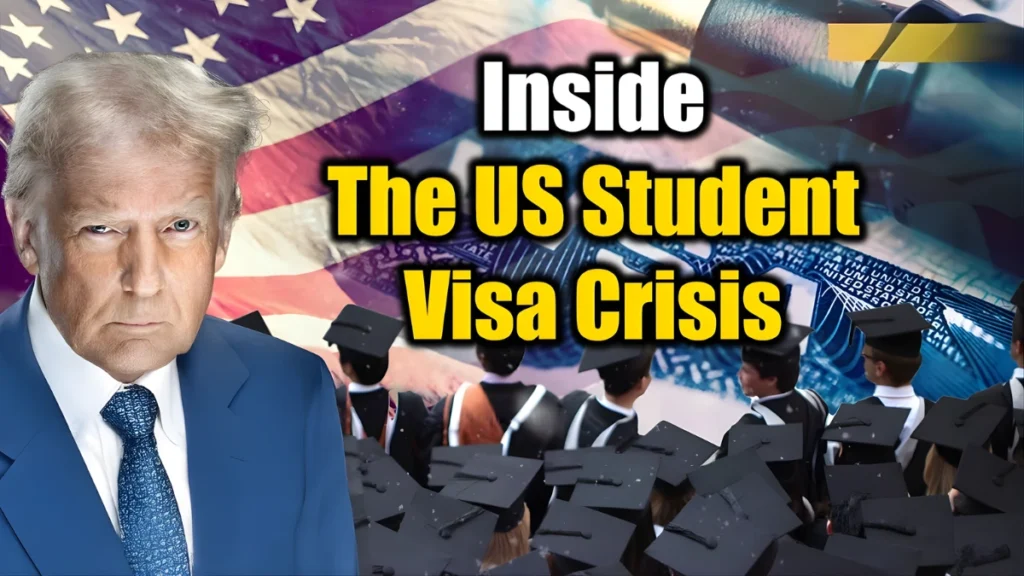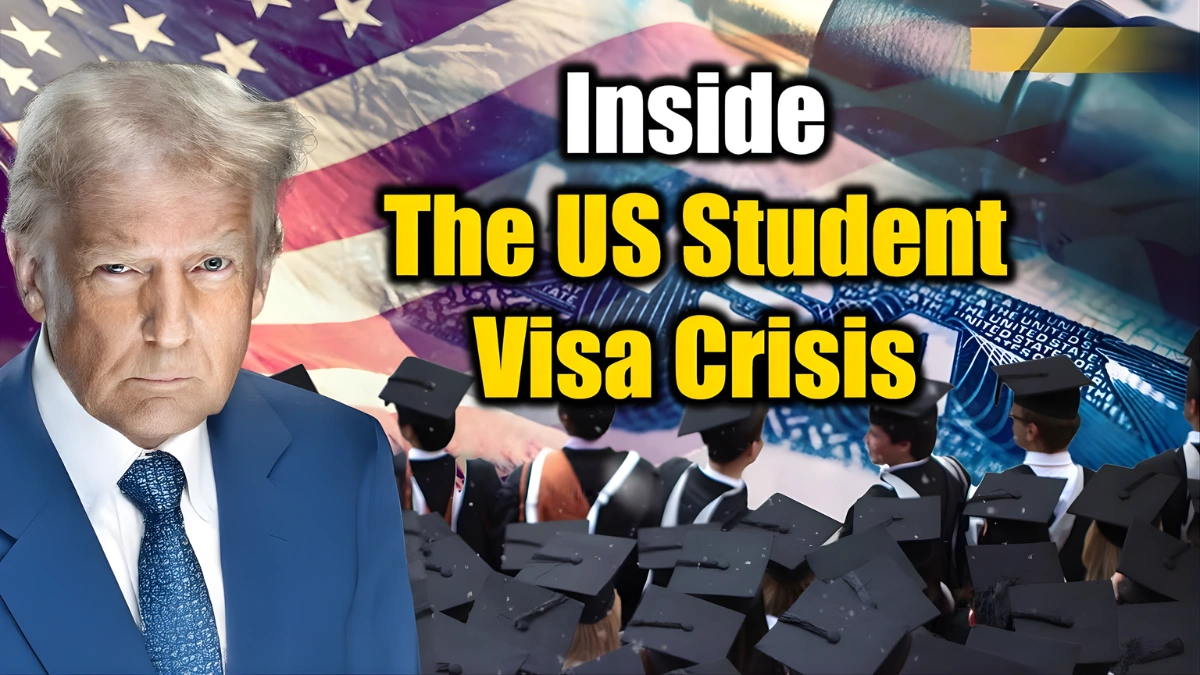
The United States has introduced new regulatory updates for student visas, affecting applicants planning to enter the country on F-1, M-1 and J-1 visas. These changes aim to strengthen documentation requirements, improve compliance, address visa backlogs and ensure that international students meet updated academic and financial standards. With the new rules taking effect in 2025, students must understand the updated process to avoid delays or visa rejections.
US Student Visa Rule Update Overview
| Category | What’s Changing | Applies To |
|---|---|---|
| Financial Proof | Higher funding requirements and stricter verification | F-1, M-1, J-1 |
| Interview Screening | Enhanced background and intent-to-return checks | All student categories |
| SEVIS Updates | Real-time academic reporting and status tracking | Active students |
| Visa Duration | Tied more closely to program length | F-1, M-1 |
| Documentation Review | Stricter checks for fraudulent or incomplete documents | All applicants |
Higher Financial Requirements for Visa Approval
A major update is the increase in mandatory financial proof. Applicants must now show stronger evidence that they can cover tuition, living expenses, transportation and unexpected costs for the full program duration. Bank statements, scholarship letters, sponsor proof and income certificates will undergo stricter verification. The goal is to reduce cases of financial instability among international students after arriving in the United States.
Stricter Interview and Background Screening
Visa officers are now applying stricter intent-to-return evaluations during interviews. The new rules require applicants to clearly demonstrate:

- their academic purpose
- ties to their home country
- ability to complete their program
- likelihood of returning after graduation
Officers may ask more detailed questions about study plans, long-term goals, financial sponsors and academic history. Any inconsistencies in the application may lead to administrative delays or denial.
Enhanced SEVIS Monitoring and Reporting
The Student and Exchange Visitor Information System (SEVIS) has been upgraded to provide more accurate real-time tracking of student status. Universities must now report:
- course enrollment changes
- program withdrawals
- extended leave
- academic progress
Students who fail to maintain full-time enrollment or violate visa conditions may see faster SEVIS status updates, which can lead to termination of status and loss of legal stay rights.

Visa Duration Aligned More Closely With Program Length
Previous rules allowed fixed visa durations regardless of the exact academic timeline. Under the 2025 update, visa validity is more closely matched to the student’s actual program end date. Students requiring additional semesters may need extensions or updated documentation. This ensures continuous compliance with immigration requirements while preventing overstays.
Stricter Document Verification and Fraud Prevention
US consulates have tightened document screening to reduce fraudulent bank records, fabricated admission letters and inconsistent academic transcripts. Applicants must ensure all documents are genuine, verifiable and consistent with school records. Any discrepancy can trigger additional administrative processing or denial under section 221(g).
What Students Should Expect in 2025 and Beyond
The new rules encourage transparency, stronger financial stability and academic consistency. Applicants should plan earlier, maintain accurate documentation, prepare thoroughly for interviews and stay in close communication with their university’s international office. While the regulations increase scrutiny, genuine students who meet all requirements should face no difficulty obtaining approval.
Disclaimer: This article provides a general overview of updated US student visa rules expected in 2025. Requirements may vary by consulate, visa type and individual circumstances. Applicants should refer to official US embassy or consulate guidelines for the most accurate and updated instructions.