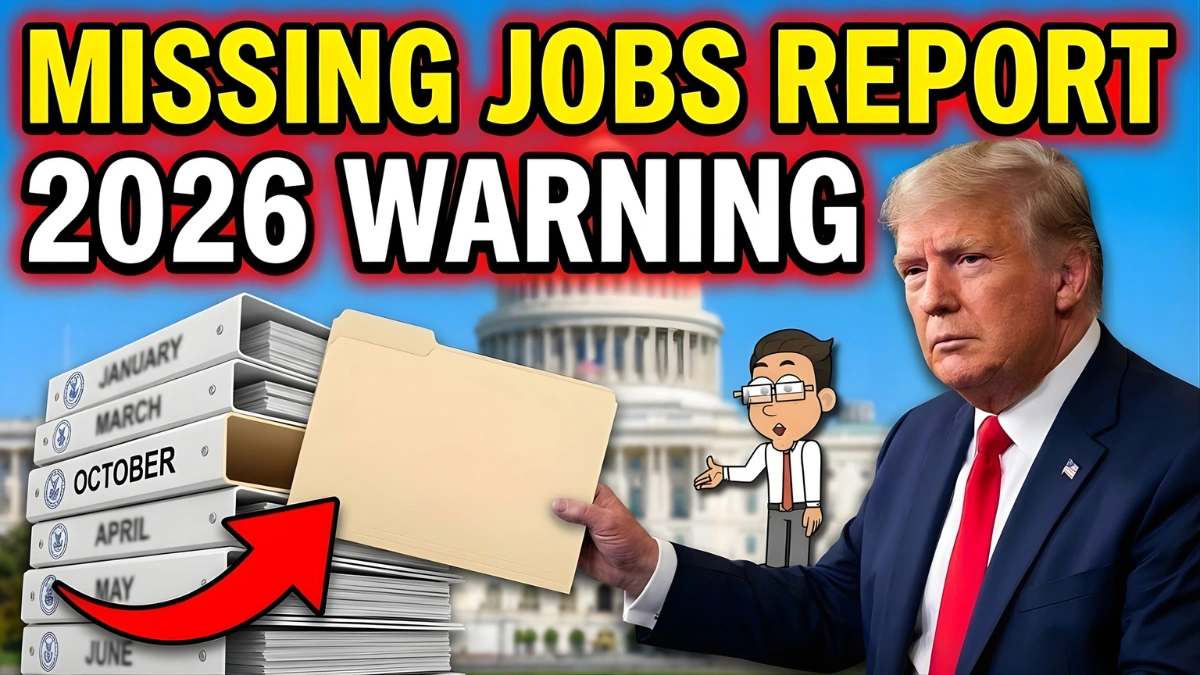
Recession Warning for 2026: A wave of concern is spreading across the country after analysts uncovered troubling gaps inside a recent federal jobs report. The missing data has triggered fresh warnings that the United States could be heading toward a recession in 2026. Economists argue that the absence of key labor numbers may point to deeper weaknesses that are not yet visible on the surface. As markets react and policymakers scramble for clarity, this developing story is becoming one of the most important economic alerts of the year.
Why the Missing Jobs Data Matters
Employment reports are among the most closely watched indicators of economic health. When job growth slows or disappears entirely, it signals falling consumer confidence, reduced spending, and weakening business activity. The latest report raised alarms because entire segments of data were delayed or omitted, leaving experts uncertain about the true state of the labor market.
What Analysts Believe Is Hidden in the Missing Report
Financial experts suspect that the missing numbers could reflect declining hiring rates, unexpected layoffs, shrinking full time employment, or downward revisions to earlier reports. Without these figures, projections for 2026 become far riskier. Some analysts believe the incomplete report may be masking early signs of a slowdown that could develop into a full recession if not addressed quickly.

Here is a simplified view of the possible gaps:
| Potential Missing Indicator | What It Might Suggest |
|---|---|
| Hiring Rate Data | Companies slowing new job openings |
| Layoff Totals | Undisclosed cuts across industries |
| Wage Growth Data | Stagnation or decline in real income |
| Full Time vs Part Time Shifts | More part time jobs replacing full time roles |
Why Experts Are Calling This a Recession Warning
Economists point out that recessions often begin with subtle shifts in job market strength, long before the public feels the impact. Missing or delayed data makes it harder to prepare and respond. If firms are reducing hours, freezing hiring, or quietly trimming staff, the economy could be approaching a turning point. The silence in the report is what experts call a “signal hidden in the shadows.”
How Markets Reacted to the Missing Report
Financial markets showed immediate volatility as investors interpreted the gap as a sign of instability. Concerns about consumer spending, wage stagnation, and corporate earnings pushed several sectors into short term pullbacks. Analysts warn that continued uncertainty could tighten credit markets and slow investment in early 2026.

One Key Warning From Economists
Experts caution that relying on incomplete data can create false optimism. Without a full picture of the labor landscape, policymakers may underestimate looming economic risks.
- Americans should prepare for potential volatility until complete labor data is released
What This Means for Workers and Families
If underlying job numbers are weaker than previously reported, workers may soon feel the effects through reduced hiring, slower wage growth, and potential regional layoffs. Families could face higher financial stress, especially those already coping with increased costs for housing, groceries, and transportation.
What To Watch for in the Next Report
The upcoming jobs release will be one of the most closely monitored in years. Economists expect revised numbers, corrected omissions, and deeper insights into hiring patterns. If downward revisions are significant, recession projections for 2026 will grow stronger.

Conclusion: The missing jobs data has raised a serious red flag, prompting renewed recession warnings for 2026. While the full picture is not yet clear, analysts agree that the absence of critical information suggests underlying weakness in the labor market. Americans should stay alert as new reports and revisions emerge, as the next set of numbers may determine whether the country is truly heading toward a recession.
Disclaimer: This article is for informational purposes only.