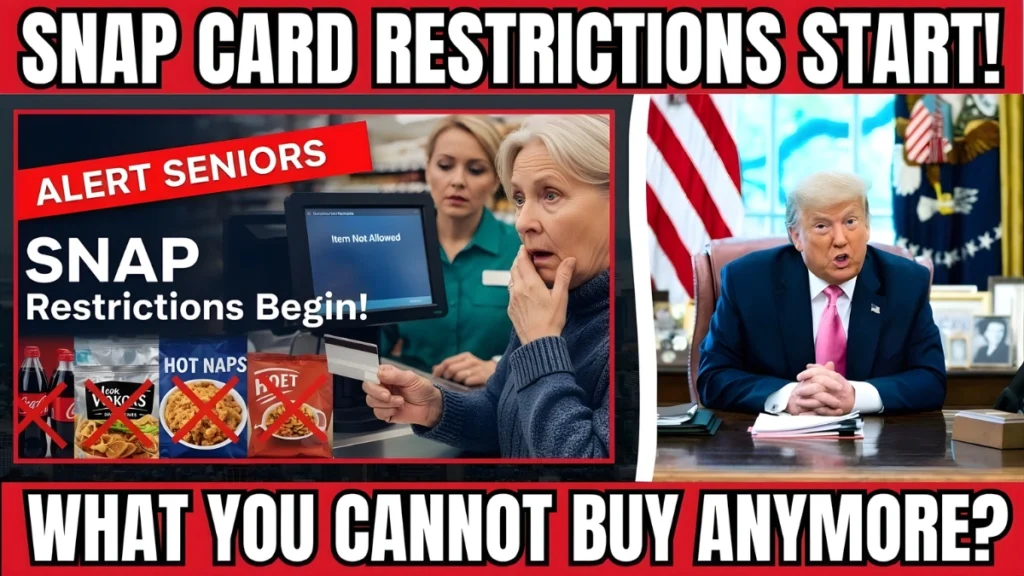
A major nationwide update has arrived for millions of Americans using SNAP benefits. The U.S. Department of Agriculture has finalized new restrictions affecting what households can purchase with their EBT cards. These changes are designed to tighten program oversight, reduce misuse, and ensure the program is used for essential food needs only. With grocery prices still high, it is critical for recipients to understand exactly what items are now off-limits.
Why SNAP Is Adding New Restrictions
Federal officials say the updated rules aim to improve nutritional outcomes and eliminate loopholes that allowed non-essential purchases. States reported increasing confusion over what qualifies as “food,” leading to inconsistent enforcement. The new guidelines are meant to create a uniform national standard that all retailers must follow.
What SNAP Households Cannot Buy Anymore
Under the new restrictions, several categories of products have been removed from eligibility. These items were considered non-nutritional, unnecessary, or prone to misuse within the program. While SNAP still covers a wide range of groceries, the updated rules prohibit certain purchases.

Here is a clear summary of items no longer allowed:
- SNAP benefits cannot be used to buy hot prepared foods, vitamins, alcohol, tobacco, household supplies, or any product considered non-food under federal guidelines
Full Breakdown of Updated SNAP Restrictions
The government has listed specific categories that are off-limits under the new rule. This chart shows the major exclusions and why they were added:
| Item Category | Reason for Restriction |
|---|---|
| Hot Prepared Foods | Not classified as groceries under USDA rules |
| Vitamins & Supplements | Considered non-food medical items |
| Alcohol & Tobacco | Federal law prohibits using SNAP for regulated goods |
| Household Products | SNAP is only for food, not cleaning or personal care |
| Pet Food | Not meant for human consumption |
| Cosmetics & Beauty Items | Classified as non-essential consumer goods |
| Ready to Eat Restaurant Items | SNAP is not allowed for dine-in or takeout meals |
What You Can Still Buy With SNAP
Despite new restrictions, households can still purchase most groceries, including bread, meat, dairy, fruits, vegetables, cereals, snacks, and non-alcoholic beverages. Cold prepared foods designed for home consumption also remain eligible. Beneficiaries should check store labels or ask cashiers if unsure about specific items.

Why These Changes Matter for Families
For households with tight budgets, even small changes in eligibility can impact how they plan their grocery lists. Families who relied on certain convenience foods, supplements, or ready-made items may need to adjust their purchases. The new rules may also change how stores process EBT transactions, reducing the chances of checkout errors.
One Important Warning for SNAP Users
Recipients should monitor their receipts closely because denied items may cause partial transaction failures.
- If an ineligible item is scanned, the cashier or system will automatically reject it, which may delay checkout
How This Impacts Retailers and EBT Systems
Retail stores are required to update their point-of-sale systems to match the new federal restrictions. Some states may experience rollout delays as systems adjust. SNAP users shopping early in the transition period may see temporary errors or need to re-scan items.

What SNAP Recipients Should Do Next
Households should review their state SNAP guidance, plan grocery trips with the updated rules in mind, and keep an eye on receipts to ensure purchases process correctly. Beneficiaries who used SNAP for newly restricted items will need to prepare alternative budgeting strategies.
Conclusion: The new SNAP card restrictions mark one of the biggest updates to the program in recent years. While the goal is to streamline purchases and ensure benefits go only toward essential foods, the changes will require families to adjust their shopping habits. Staying informed and understanding what is no longer eligible will help avoid surprise denials and ensure that monthly benefits stretch as far as possible.
Disclaimer: This article is for informational purposes only.