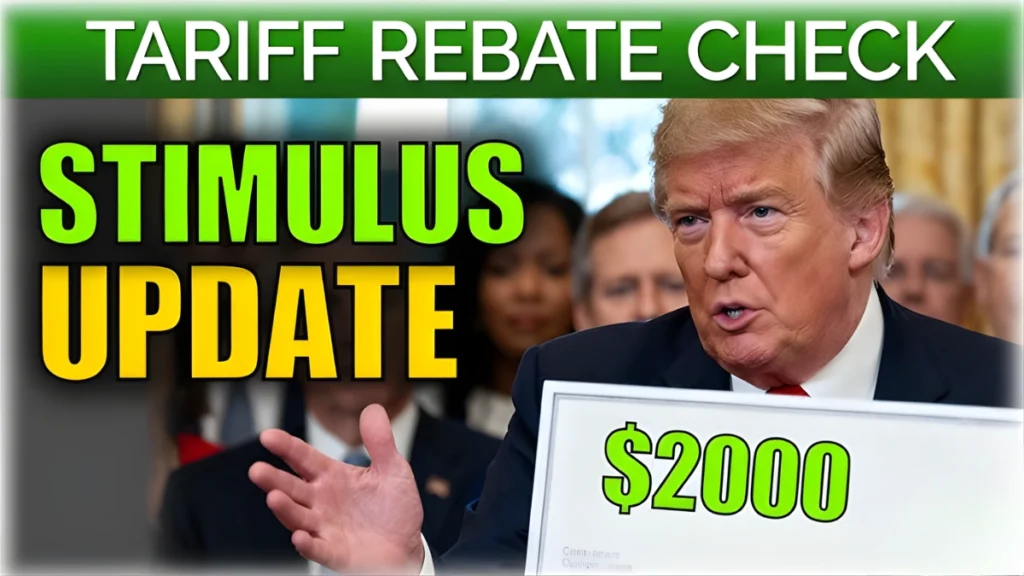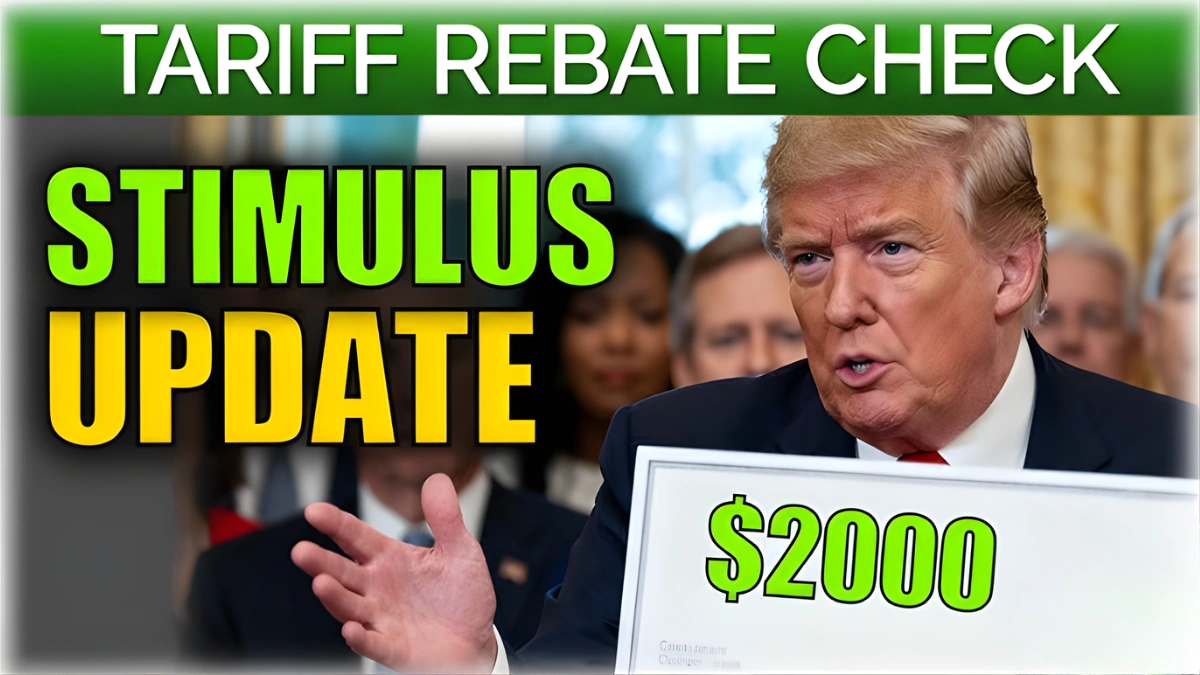
Trump Breaks Silence: Former President Donald Trump has reignited national attention after giving a new update on the possibility of $2000 stimulus checks for American households. With inflation, high rent, and rising grocery prices still squeezing family budgets, many are wondering whether Trump’s proposal is realistic — and whether any payments could actually be approved.
Trump has repeatedly suggested that direct financial support may return under his economic plan, framing the $2000 checks as a way to help working- and middle-class Americans recover from cost-of-living pressures. But despite the excitement, the plan still requires major political steps before any money could be distributed.
Here’s what’s really happening behind the headlines.
What Trump Said About the $2000 Payments
Trump stated that he wants the federal government to send $2000 “American Dividend Checks” to eligible households, and he claims his team is preparing a distribution strategy so the IRS can send payments quickly if Congress approves the measure.
He emphasized the goal of delivering relief “as fast as possible,” suggesting that direct deposit payments could begin within weeks of official authorization. However, approval still depends on congressional negotiations, budget considerations, and political support.

Who Would Qualify If the $2000 Checks Are Approved?
While final eligibility has not been established, early outlines suggest the plan will follow a structure similar to previous stimulus rounds. Trump’s proposal is expected to prioritize working families, middle-income individuals, and citizens with tax filings on record.
Proposed Eligibility Breakdown Table
| Category | Expected Requirement |
|---|---|
| Citizenship | U.S. Citizens & Legal Residents |
| Tax Filing Requirement | 2024 or 2025 federal tax return |
| Income Limit (Estimated) | $75k Single / $150k Joint (subject to revision) |
| Dependent Status | Cannot be claimed as a dependent |
| Payment Amount | $2000 per eligible taxpayer |
| Delivery Method | IRS Direct Deposit or Paper Check |
These details may change once the proposal moves toward legislative review.
When Could Americans Actually Receive the $2000 Checks?
The big question everyone is asking: When would the money arrive?
If Congress approves the plan in early 2025, IRS processing could begin shortly afterward. Based on historical IRS timelines from previous stimulus payments, the earliest projected dates would be:
Estimated Delivery Windows (If Approved):
• Direct Deposit: 7–21 days after IRS processing begins
• Paper Checks: 3–6 weeks afterward
• Debit Cards: Similar to check delivery timing

Trump’s team claims they are ready to launch distribution quickly, but without congressional authorization, no payments can be sent yet.
Why the $2000 Checks Are Not Guaranteed
Despite Trump’s public statements, several political and financial hurdles remain:
• Congress must approve the funding
• Federal budget constraints may delay passage
• Economic advisors may resist additional large stimulus spending
• Opposition lawmakers could block or amend the proposal
Until these obstacles are resolved, the plan remains a proposal — not an official relief package.
How Americans Should Prepare in Case Payments Are Approved
To avoid delays if payments are authorized, taxpayers should:

• File their tax returns early
• Ensure their IRS direct deposit information is correct
• Keep mailing addresses updated
• Watch for official IRS announcements
These steps ensure faster processing if payment distribution begins.
Frequently Asked Questions
Q1: Are the $2000 stimulus checks officially approved?
No. They remain a proposal and are not currently authorized.
Q2: Will every American receive $2000?
No. Payments will likely be income-based with phase-outs for high earners.
Q3: How will payments be delivered if approved?
Through IRS direct deposit, paper checks, or prepaid debit cards.

Disclaimer: This article is based on public statements, early policy outlines, and available federal proposals. No $2000 stimulus checks have been officially approved. Eligibility, payment amounts, and distribution dates may change based on congressional decisions and government updates. Readers should rely on official IRS and federal announcements for confirmed information.