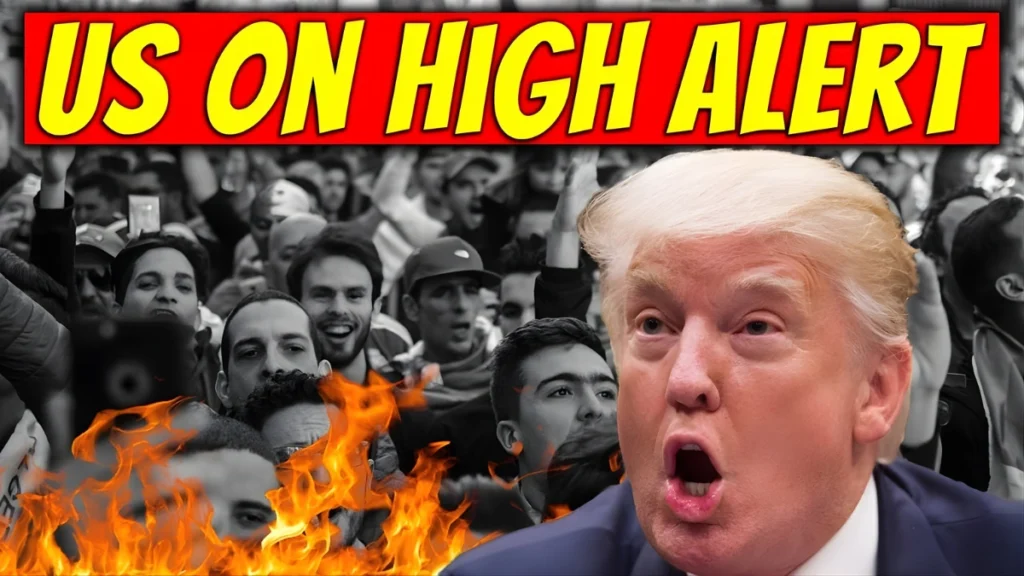
Trump On High Alert: Former President Donald Trump has issued a high alert warning in response to what he describes as a rapidly growing national threat. His message has sparked intense discussion across the country as millions try to understand the seriousness of the situation and what it may mean for public safety, national security, and the upcoming political climate. Trump’s alert has placed government agencies, supporters, and critics on edge as the country watches for further developments.
What Triggered Trump’s High Alert Status
According to Trump’s recent remarks, the threat involves escalating risks tied to foreign influence, cybersecurity disruptions, and internal instability. Though he stopped short of revealing classified specifics, Trump emphasized that the situation is evolving quickly and requires immediate attention. His comments suggest that intelligence assessments are pointing to potential vulnerabilities that could impact everything from national infrastructure to voter confidence.

Why Millions Are Concerned
Trump’s warning comes at a time when Americans are already anxious about rising global tensions, economic pressures, and social division. The phrase high alert has amplified those concerns as many fear that the threat may involve coordinated cyberattacks, critical system breaches, or attempts to destabilize national processes. With major holidays and political events approaching, the timing has intensified public worry.
Trump’s Message To The Public
Trump urged Americans to remain aware, stay informed, and support stronger national security measures. He stated that political leaders must prioritize protection of digital infrastructure, election processes, and federal networks. Trump also warned that the threat is not limited to any single agency or party, describing it as a national issue that affects every citizen regardless of background.

Reactions From Officials And The Public
Lawmakers from both parties are responding cautiously, acknowledging that security threats have been rising and require unified action. Former intelligence officers have also engaged in the discussion, noting that recent cyber incidents demonstrate how quickly small vulnerabilities can become large scale disruptions. On social media, millions of users expressed concern, with many demanding clarity on whether the threat is linked to foreign actors, internal sabotage, or broader national weakness.
What Could Happen Next
Federal agencies are expected to tighten monitoring procedures and review current security protocols. Cyber defense teams may expand early warning systems, while homeland security offices could increase coordination with state level authorities. Trump is likely to continue addressing the issue in public appearances as more information becomes available.

The Broader Message Behind Trump’s Alert
Beyond the immediate warning, Trump’s high alert message underscores a deeper point about national resilience. He stressed that the United States must modernize its protective systems, strengthen digital infrastructure, and ensure that government networks remain secure against emerging threats. The alert serves as both a warning and a call for renewed focus on national stability.
Conclusion: Trump’s high alert announcement has raised serious questions and concerns across the nation. As officials assess the threat and prepare for potential developments, Americans are watching closely for updates that could clarify what risks lie ahead.

Disclaimer: This article summarizes public statements and ongoing national security discussions. Details may change as official agencies release further information on the developing threat.