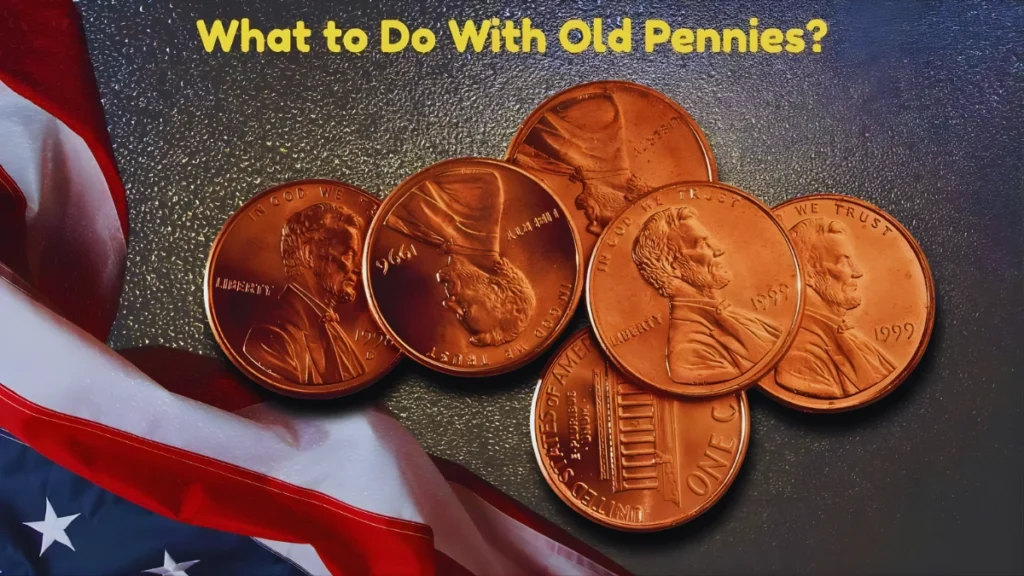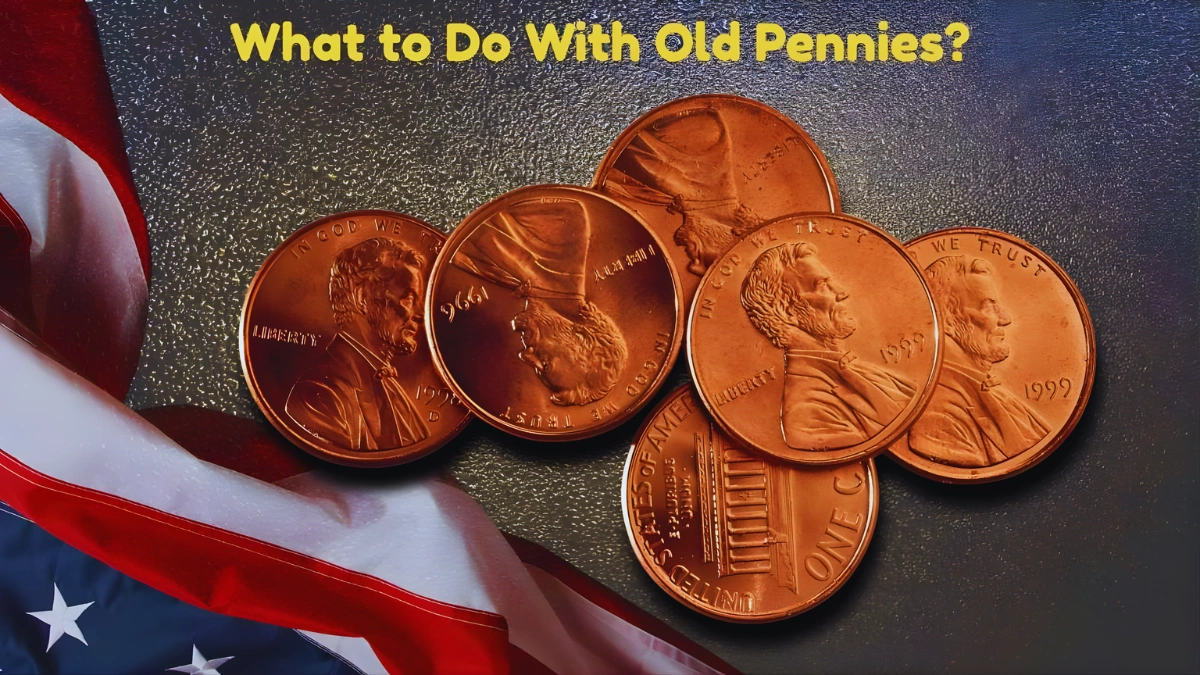
With the United States officially ending production of the penny, millions of Americans are now wondering what to do with the jars, bags, and boxes of old pennies sitting at home. The decision to stop minting pennies comes after years of rising metal costs and debates over the coin’s declining usefulness in everyday transactions. Now, these small copper coins may carry more value than most people realize.
Whether you own a handful of pennies or several buckets full, here’s what experts say you should do with them.
Why the U.S. Stopped Making Pennies
The U.S. Mint has long reported that pennies cost more to produce than they are worth. Each penny costs over 2 cents to mint due to rising copper and zinc prices. As cash usage declines and digital payments rise, demand for pennies has dropped sharply, making production inefficient and expensive.
Ending penny production helps reduce government costs and encourages rounding systems already used in many countries.
What Your Old Pennies Could Be Worth
Not all pennies are created equal. While most pennies are worth their face value, certain years, mint marks, and errors can make a penny worth anywhere from a few dollars to thousands.

Collectors are particularly interested in wheat pennies, copper-rich early coins, and rare minting errors. Now that production has ended, collectors expect values to climb even higher over the coming years.
Most Valuable Penny Categories to Look For
| Penny Type / Year | Potential Value Range |
|---|---|
| 1909-S VDB Lincoln Penny | $700 – $1,500+ |
| 1943 Copper Penny (Error) | $50,000 – $250,000+ |
| Wheat Pennies (1909–1958) | 10¢ – $20 each |
| 1982 Copper Penny (3.11g weight) | 5¢ – $2 each |
Sorting your pennies could turn loose change into serious cash.
Top Things to Do With Old Pennies
1. Check for Valuable and Rare Coins
Before taking your pennies to the bank, sort through them. Look for wheat backs, shiny pre-1982 pennies, odd mint marks, and any unusual stamps or errors. Even worn coins can have collector value.
2. Sell Pennies to Coin Collectors
Collectors are actively buying pennies now that production has ended. Online marketplaces, coin shops, and numismatic clubs may offer competitive prices, especially for wheat pennies and pre-1982 copper pennies.
3. Redeem Large Quantities at Banks
Most banks will still accept pennies for deposits or exchanges. Rolling them or using a coin machine can convert your loose change into spendable cash.

4. Melt Value Potential (But Note: Melting Is Still Illegal)
Pennies minted before 1982 contain 95% copper, making them potentially worth more for metal content.
However, melting U.S. coins remains illegal, so owners must wait for a legal change before taking advantage of metal value.
5. Turn Pennies Into Art, Crafts, and Home Decor
Pennies are widely used in:
• Tabletops
• Flooring
• Jewelry
• DIY crafts
• Wall art
With production stopped, penny-based artwork may increase in value.
6. Donate Pennies to Charity
Many nonprofits run penny collections. Even small amounts add up quickly, helping support community programs, animal shelters, and schools.
Will Pennies Become More Valuable Over Time?
Experts say yes—especially for copper pennies and collectible versions. As circulation decreases and supply shrinks, the value of rare pennies is expected to rise. Even common pennies may eventually hold more value as they become historic artifacts rather than everyday currency.

For investors and collectors, now is the perfect time to sort, store, and evaluate penny collections.
Frequently Asked Questions
Q1: Can I still use pennies at stores?
Yes, pennies remain legal tender even though production has stopped.
Q2: Should I save all my pre-1982 pennies?
Many collectors recommend saving them due to higher copper content and rising value.
Q3: Will the government buy back pennies?
There is no official buyback program yet, but discussions may emerge as circulation declines.
Q4: Are coin machines still accepting pennies?
Yes, most major machines and banks are still accepting them.

Disclaimer: This article is based on publicly available information and expert numismatic opinions. Future policy changes, metal value laws, and collector pricing may alter the value or recommendations provided here. Always verify coin prices with certified dealers for the most accurate valuation.